
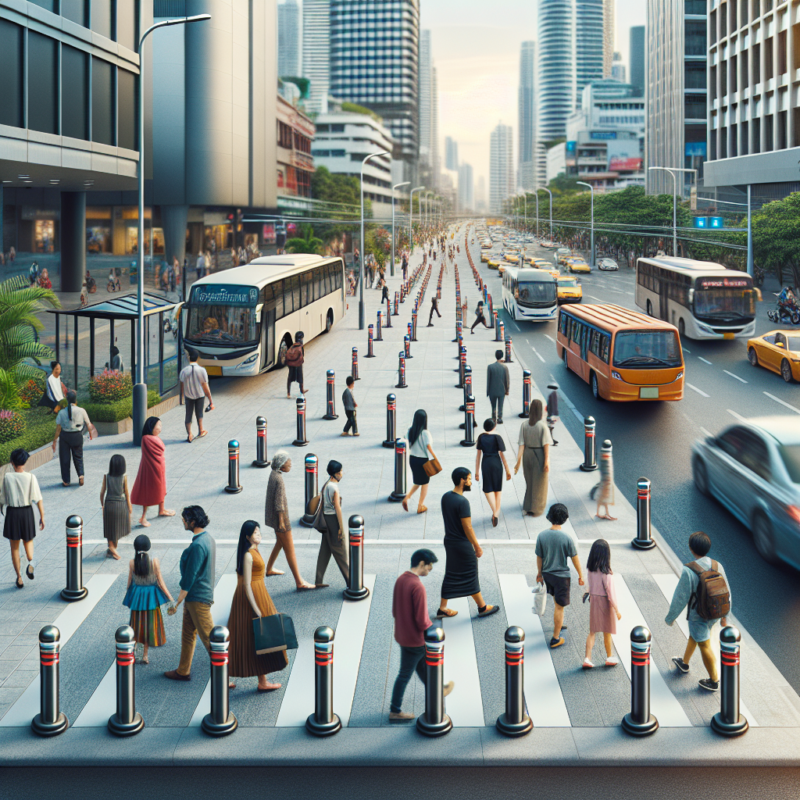
The Role of เสากั้นทางเดิน in Urban Safety and Traffic Management
Urban environments are bustling hubs of activity, where the interplay between pedestrian movement, vehicular traffic, and public spaces demands critical attention to safety and management. In this dynamic context, infrastructure elements like เสากั้นทางเดิน, or walkway barriers, play an indispensable role. These barriers, though often overlooked, contribute significantly to maintaining order, enhancing safety, and facilitating efficient traffic management in urban settings.
Ensuring Pedestrian Safety
At its core, the primary function of เสากั้นทางเดิน is to protect pedestrians. In cities where foot traffic is dense, these barriers act as a physical and visual guide for people walking on sidewalks or crossing streets. By delineating safe zones for pedestrians, they help prevent accidents and enhance safety. The physical presence of these barriers acts as a deterrent to jaywalking, thereby reducing potential conflicts between pedestrians and vehicles.
Furthermore, walkway barriers are crucial during events or in areas where large crowds gather, such as sports stadiums, concert venues, or public festivals. They help control the flow of attendees, ensuring smooth ingress and egress and preventing situations that might lead to overcrowding or stampedes. By strategically positioning these barriers, event organizers can manage crowds efficiently, enhancing the overall safety of the urban environment.
Traffic Management and Flow Regulation
เสากั้นทางเดิน are also pivotal in managing vehicular traffic. In congested urban areas, these barriers define lanes and guide drivers, reducing confusion and potential traffic violations. For instance, in areas undergoing construction or road maintenance, these barriers provide clear indications of temporary detours or road closures, minimizing disruptions and improving traffic flow.
Moreover, walkway barriers are used to create dedicated lanes for bicycles or public transportation, promoting the use of eco-friendly modes of transport. By doing so, cities can decrease vehicular congestion and reduce pollution, aligning with broader sustainability goals. The presence of these barriers ensures that cyclists and public transport vehicles have a safe and designated space, encouraging more people to opt for these alternatives.
Enhancing Urban Aesthetics and Environment
Beyond their functional roles, เสากั้นทางเดิน can also contribute to the aesthetic appeal of urban landscapes. Modern designs and materials allow these barriers to blend seamlessly with urban architecture, enhancing rather than detracting from the visual environment. When integrated thoughtfully, they can become part of a city’s identity and contribute to a cohesive urban design.
Innovative designs include features like planters or LED lighting, which can illuminate pathways at night, enhancing safety while adding an aesthetic element. Such multifunctional barriers not only serve their primary purpose but also contribute positively to the urban environment, making cities more livable and attractive.
Conclusion
In essence, เสากั้นทางเดิน are silent yet powerful tools in urban safety and traffic management. Their roles extend from ensuring pedestrian safety and regulating traffic flow to enhancing the overall urban aesthetic. As cities continue to grow and evolve, the strategic use of walkway barriers will be increasingly critical. Urban planners and city officials must recognize their potential and integrate them effectively into the city’s infrastructure to create safer, more efficient, and more visually appealing urban environments. Through innovative designs and strategic placements, เสากั้นทางเดิน will continue to be at the forefront of fostering safe and harmonious urban living spaces.
